
The Voice of Reason: A 22-Year Lens Audit & Our Premise on Photography
An honest, unhurried guide to glass, optical reality, and why less gear leads to deeper vision: A complete audit of the lenses tested across 80,000 Cascadia frames on a 42.4MP sensor.
Fieldcraft Retrospective · The Voice of Reason
Our Premise on Photography: An Optical Window of Presence
Photography is not an arms race of gear acquisition, nor is it an algorithmic competition for social media impressions. It is a quiet pact with the earth: an act of sustained attention, physical presence, and gratitude for natural light. Here is our premise on the craft, and an honest audit of the glass that earned its place in the pack.
Part 1: Our Premise on Photography
If you spend enough time around modern photography forums and marketing campaigns, you are quickly conditioned to believe that you are always one purchase away from vision. That if you just had that f/1.2 prime, that titanium tripod, or that new 60-megapixel body, your images would finally sing.
After twenty-two years of walking Pacific Northwest trails, carrying heavy packs through freezing coastal rain, shooting nine-hour marathon finish lines, and archiving over 80,000 frames, here is the calm voice of reason:
1. A Camera is an Instrument of Attention
The camera cannot create feeling that you did not experience yourself. If you are rushing through an ancient hemlock forest with your eyes glued to a camera screen, calculating how your shot will perform online, you are not actually there. Photography begins with putting the camera down for five minutes, breathing in the cold fir-scented air, and simply observing how the raking dawn light strikes the moss. When you are genuinely present, the composition reveals itself.
2. Craft over Acquisition
A single lens thoroughly understood—its sweet-spot aperture, its corner falloff, its minimum focus distance, and how it renders backlighting—is worth ten expensive lenses sitting in a pelican case at home.
3. Raw Sensor Truth vs. Synthetic Illusion
In a world increasingly saturated with hyper-processed, AI-hallucinated imagery with neon skies and plastic clouds, we choose raw sensor truth: uncompressed 42.4-megapixel full-frame data, true hyperfocal discipline, and natural maritime fog. Real light has texture, humility, and soul.
Part 2: The 22-Year Lens Audit
To help fellow photographers navigate the overwhelming sea of gear advice without commercial pressure or affiliate traps, here is an unvarnished audit of the lenses that have powered the Phil Gear archive across decades of Cascadia expeditions.
We evaluate glass across the Four Optical Buckets:
- The Ultrawide (14–24mm): Grounding & Grand Scale
- The Standard Zoom (24–70mm): The Expedition Workhorse
- The Natural Primes (35mm & 50mm): Human Storytelling & Geometry
- The Telephoto & Macro (70–200mm & 90mm): Spatial Compression & The Microcosm
1. FE 16–35mm f/2.8 GM II: The Window of Relationship
- Primary Domain: Subalpine calderas, ancient rainforest canopies, dark-sky ephemeris.
- The Common Mistake: Beginners often buy an ultrawide to “fit more stuff in.” This results in distant, tiny mountains and a boring, empty foreground.
- The Voice of Reason: An ultrawide is actually a foreground relationship lens. To make a 16mm photograph work, you must physically get down on your knees and place a textured river rock, a blooming lupine, or a weather-beaten cedar root within three feet of the front element. The ultrawide connects the ground beneath your boots to the sky above.
- Audit Verdict:
- Sharpness Sweet Spot: f/8.0 to f/11. Exceptional center-to-corner micro-contrast on the 42.4MP sensor.
- Sunstar & Flare: 11-blade circular aperture produces clean, well-defined 22-point sunstars when shooting directly into low Columbia Gorge sunrises.
- Pack Weight: 547g (nearly 20% lighter than Gen 1). An essential backcountry companion.
2. FE 24–70mm f/2.8 GM II: The All-Day Expedition Anchor

- Primary Domain: Day-long hikes, river canyons, variable weather, environmental portraits.
- The Common Mistake: Influencers often dismiss the 24–70mm as “uninspired” compared to exotic fast primes.
- The Voice of Reason: On an 8-mile hike through changing Oregon weather where sleet turns to sun and wind blows volcanic ash across Smith Rock, swapping prime lenses every five minutes is a recipe for sensor dust and missed moments. The 24–70mm f/2.8 covers 80% of all landscape and documentary compositions without breaking stride.
- Audit Verdict:
- Sharpness Sweet Spot: f/5.6 to f/8.0 across the entire zoom range.
- Close-Focusing: Outstanding 0.32x maximum magnification allows you to photograph lichens and geology without swapping to a dedicated macro.
- Pack Weight: 695g. Perfectly balanced on a lightweight shoulder strap or chest harness.
3. FE 35mm f/1.4 GM: The Human Angle at Twilight
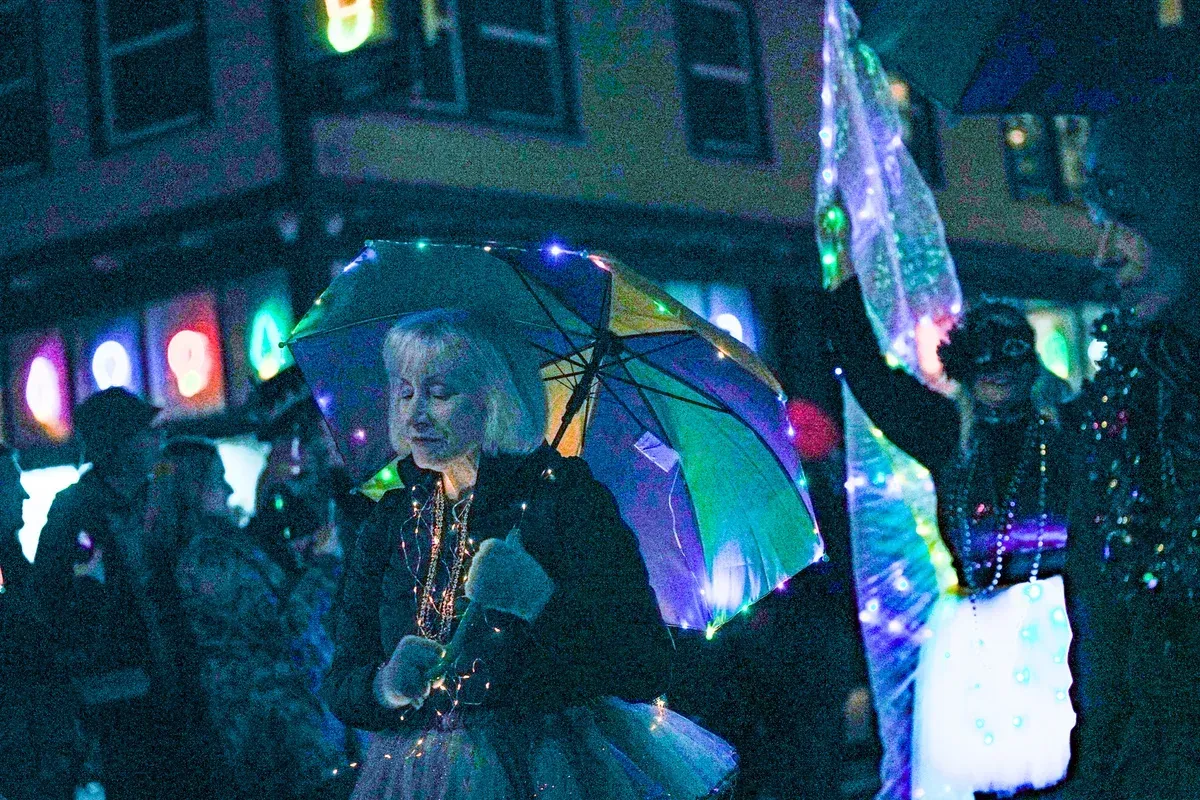
- Primary Domain: Evening community festivals, PDX Winter Light Festival, campfires, street narratives.
- The Common Mistake: Over-relying on high-aperture shallow depth of field (f/1.4) until the subject’s eyelashes are sharp but their nose and ears are blurred into mush.
- The Voice of Reason: 35mm is the focal length of natural human awareness. When you look at the world with two open eyes, 35mm represents what your mind pays attention to without peripheral distraction. At f/2.0 to f/2.8 in twilight, it drinks in ambient street lamps and neon light while keeping the entire subject and their surrounding community context crisp and legible.
- Audit Verdict:
- Sharpness Sweet Spot: Tack-sharp wide open at f/1.4 in the center; peak overall contrast at f/2.8.
- Coma Control: Two XA (extreme aspherical) elements suppress sagittal coma flare, making city streetlights and stars render as pinpricks rather than flared wings.
- Pack Weight: 524g. Compact enough to carry inside a coat pocket.
4. FE 50mm f/1.2 GM: The Unhurried Still Life & Geometry
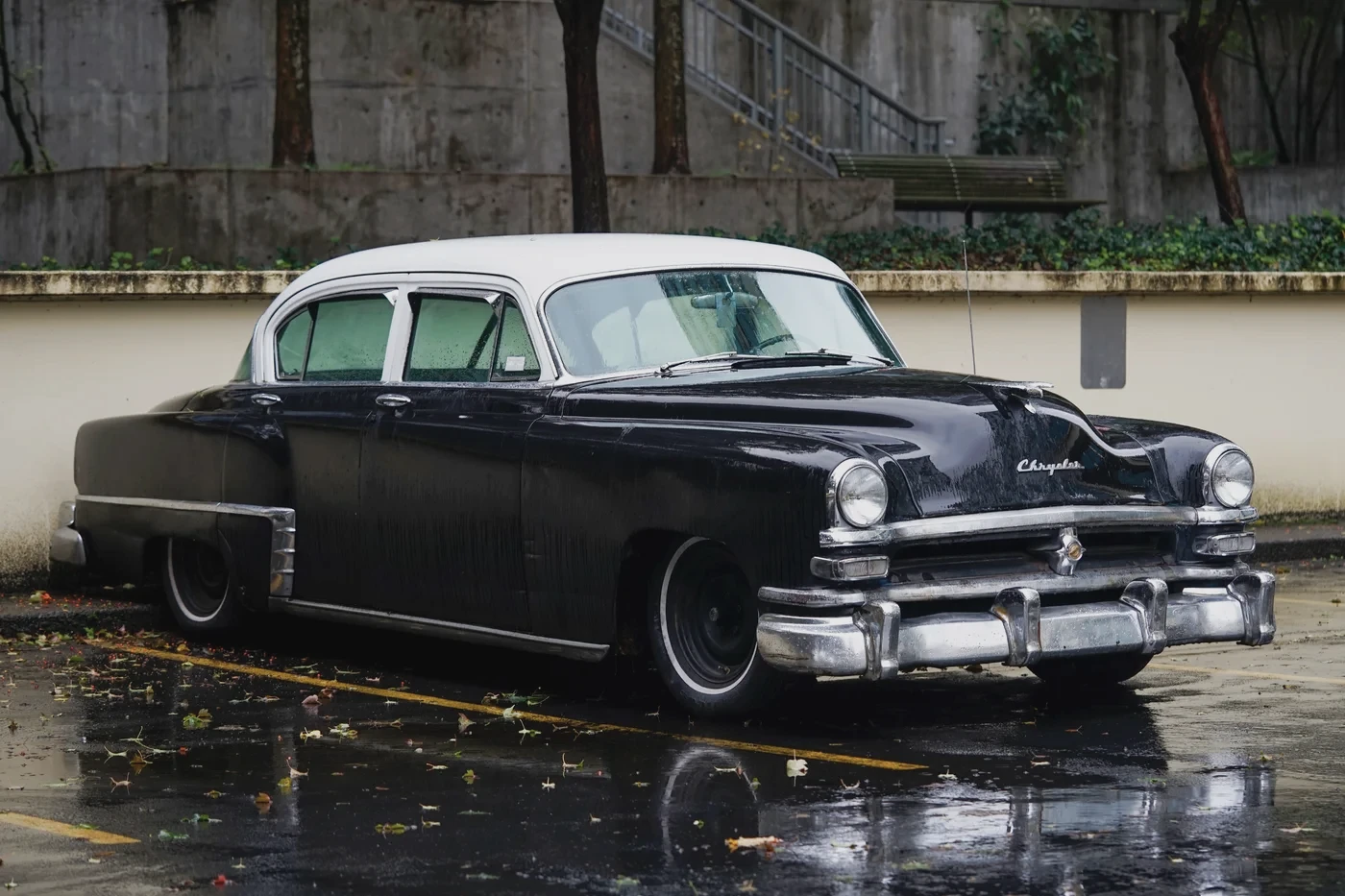
- Primary Domain: Vintage Americana, artisan craft, quiet portraits, architectural proportion.
- The Voice of Reason: The 50mm normal focal length offers zero rectilinear distortion. Straight lines remain straight; human faces appear exactly as you remember them. It teaches you to walk, compose with deliberate intent, and wait for the light.
- Audit Verdict:
- Optical Rendition: Extraordinary micro-tonal gradation across chrome, painted sheet metal, and skin.
- Pack Weight: 778g. Substantial glass, best suited for focused destination shoots rather than 15-mile alpine scrambles.
5. FE 70–200mm f/2.8 GM OSS II: The Carver of Air & Mountain Ridges

- Primary Domain: Alpine ridges, mountain layers, sports marathons, wildlife.
- The Common Mistake: Thinking a telephoto is only for animals that are too far away.
- The Voice of Reason: The true power of a telephoto lens is atmospheric compression. At 135mm or 200mm, distant mountain ridges that are ten miles apart appear stacked right behind one another like watercolor washes. It strips away messy foreground telephone wires and trail clutter, distilling the landscape down to pure rhythm and tone.
- Audit Verdict:
- Weight Miracle: 1,045g (nearly a full pound lighter than the original version). You can actually ruck this lens up 2,500 feet of elevation without cursing your backpack.
- Optical Stabilization: Dual-mode OSS provides rock-solid hand-holding at 1/60s at 200mm during gusty ridge conditions.
6. FE 90mm f/2.8 Macro G OSS: The Microscope of Grace
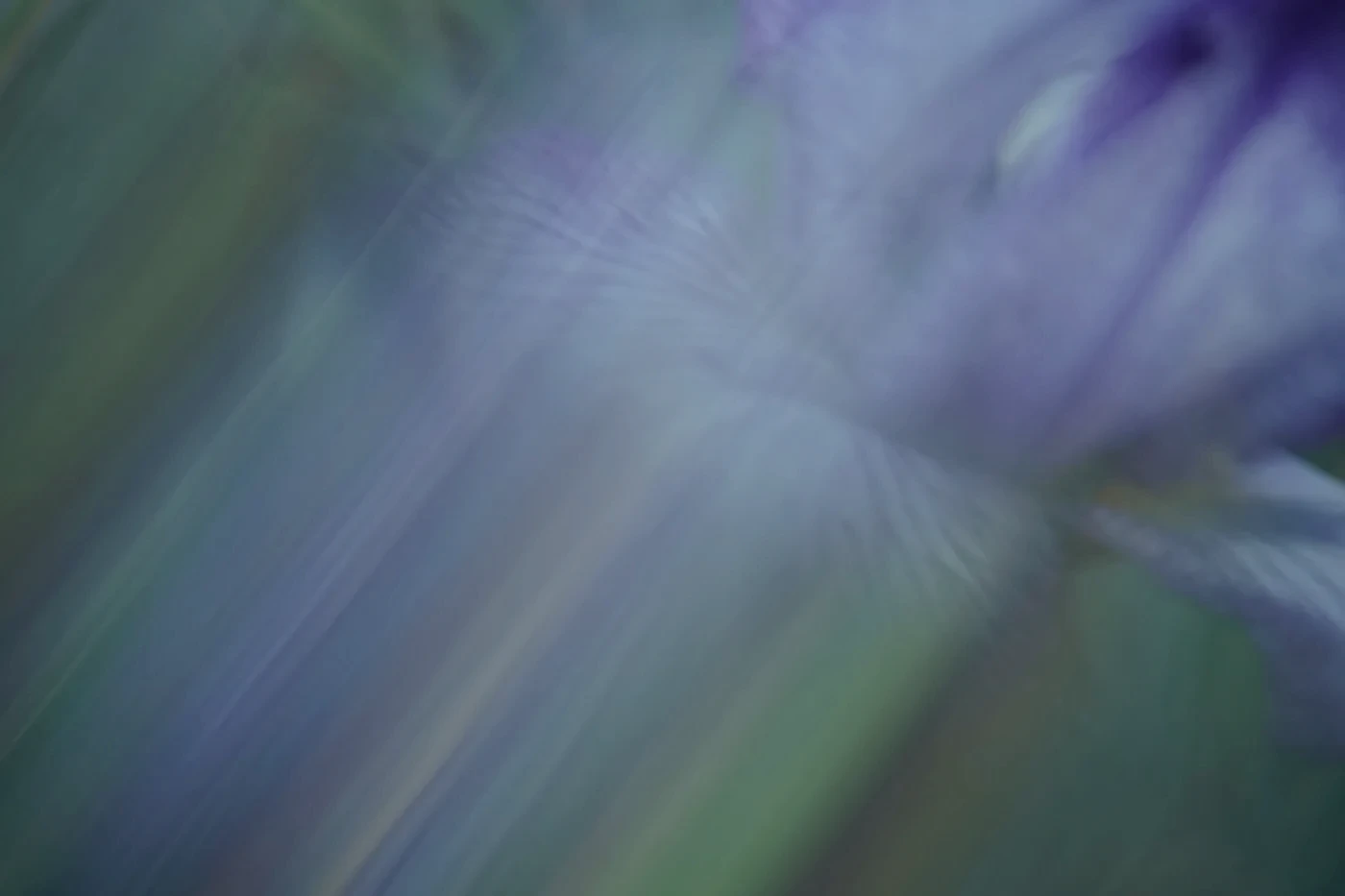
- Primary Domain: Native wildflowers, temperate rainforest lichens, tidal curios, geological crystals.
- The Voice of Reason: When the Pacific Northwest weather socks in and the mountains disappear behind a thick gray ceiling of clouds, the unseasoned landscape photographer packs up and goes home disappointed. The macro photographer smiles, kneels down by a fallen nurse log, and discovers an entire universe of moisture droplets, fungal gills, and iridescent beetle carapaces.
- Audit Verdict:
- Resolving Power: True 1:1 reproduction ratio that fully resolves the individual pixel boundaries of a 42.4MP sensor.
- Field Tip: Handheld macro requires high shutter speeds (1/320s+) or a miniature beanbag to steady the front element against trail breezes.
📊 Summary: The Field Lens Audit Scorecard
| Lens Model | Weight | Sharpness Peak | Best Biome | Honest Verdict |
|---|---|---|---|---|
| FE 16–35mm f/2.8 GM II | 547g | f/8 – f/11 | Calderas, Sea Stacks, Rainforest | Indispensable for foreground scale. |
| FE 24–70mm f/2.8 GM II | 695g | f/5.6 – f/8 | All-Day Hikes, Canyons, Travel | The single most dependable zoom in the kit. |
| FE 35mm f/1.4 GM | 524g | f/2.0 – f/2.8 | Night Festivals, Campfires, Street | The master of low-light human warmth. |
| FE 50mm f/1.2 GM | 778g | f/2.8 – f/4 | Americana, Architecture, Still Life | Flawless geometry and zero distortion. |
| FE 70–200mm f/2.8 GM II | 1,045g | f/5.6 – f/8 | Alpine Ridges, Fog Layers, Sports | Compresses chaotic reality into pure art. |
| FE 90mm f/2.8 Macro G | 602g | f/5.6 – f/11 | Wildflowers, Lichens, Wet Forest | A telescope into the miniature world. |
The Golden Rule of the Pack
Before you buy your next lens, ask yourself: Does this solve a genuine optical limitation in my field craft, or am I just looking for a shortcut to wonder? Master what you already carry, let the light find you, and enjoy every single step on the trail.
Conclusion: Let the Tools Disappear
The ultimate measure of a great lens is not its MTF chart or its price tag—it is whether it gets out of your way. When a lens is optically honest, mechanically reliable, and matched to your physical stamina, it ceases to exist as a piece of electronics. It becomes a clean, transparent window through which you share your love for this living world.